[1] Adiposity and Microbiome Studies Paired with a low-fat diet, 5-amino-1-methylquinolinium was used to study whole-body adiposity and weight change in DIO mice, moving several measures toward age-matched lean controls within the study window
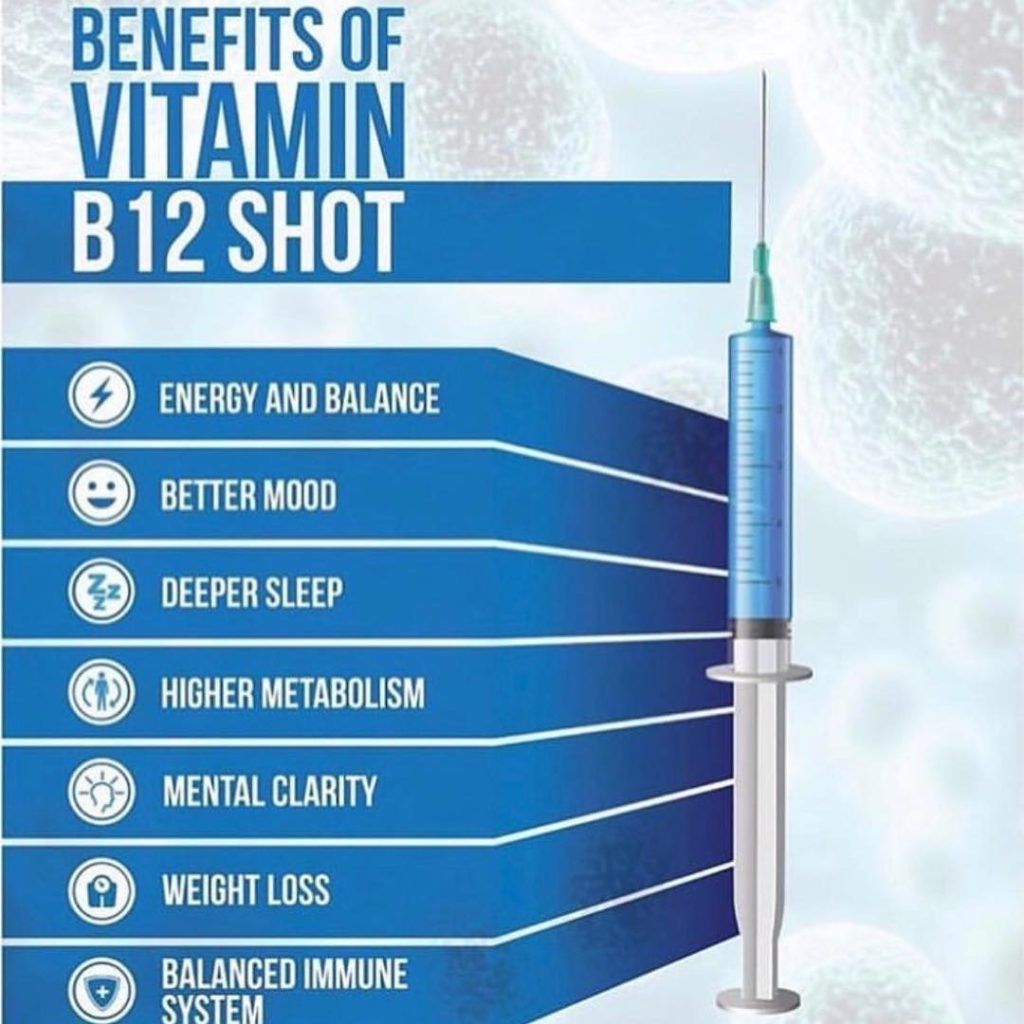
Fatigue Brain fog Decreased cognitive function, such as memory issues Lethargy Constipation Heart palpitations Vision changes Difficulty maintaining balance Headaches Depression or irritability Feeling faint Sore or swollen tongue, mouth ulcers Paresthesia (pins and needles) Why Should You Consider Vitamin B12 Injections
Clinical Applications While human trials are limited and 5-Amino-1MQ is not FDA-approved as a therapeutic agent, its mechanism and early research suggest potential benefits in: Weight management and body recomposition Adiposity reduction and fat loss Insulin sensitivity improvement Metabolic syndrome support NAD optimization and anti-aging protocols Cellular energy and endurance enhancement Adjunct to exercise or caloric restriction protocols It may be particularly relevant for individuals with stubborn fat loss resistance , age-related metabolic decline, or those using NAD-supportive therapies like NMN or NR
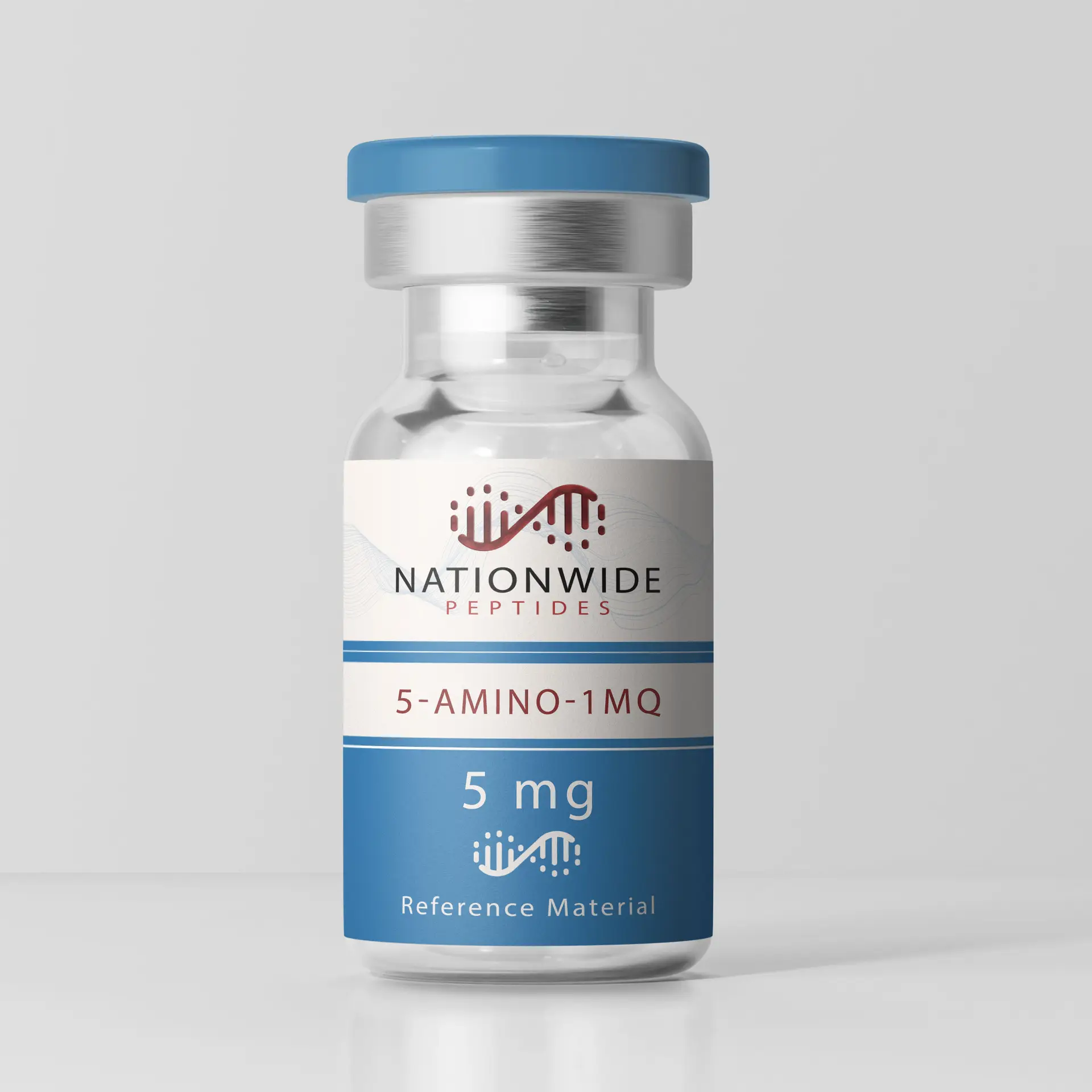
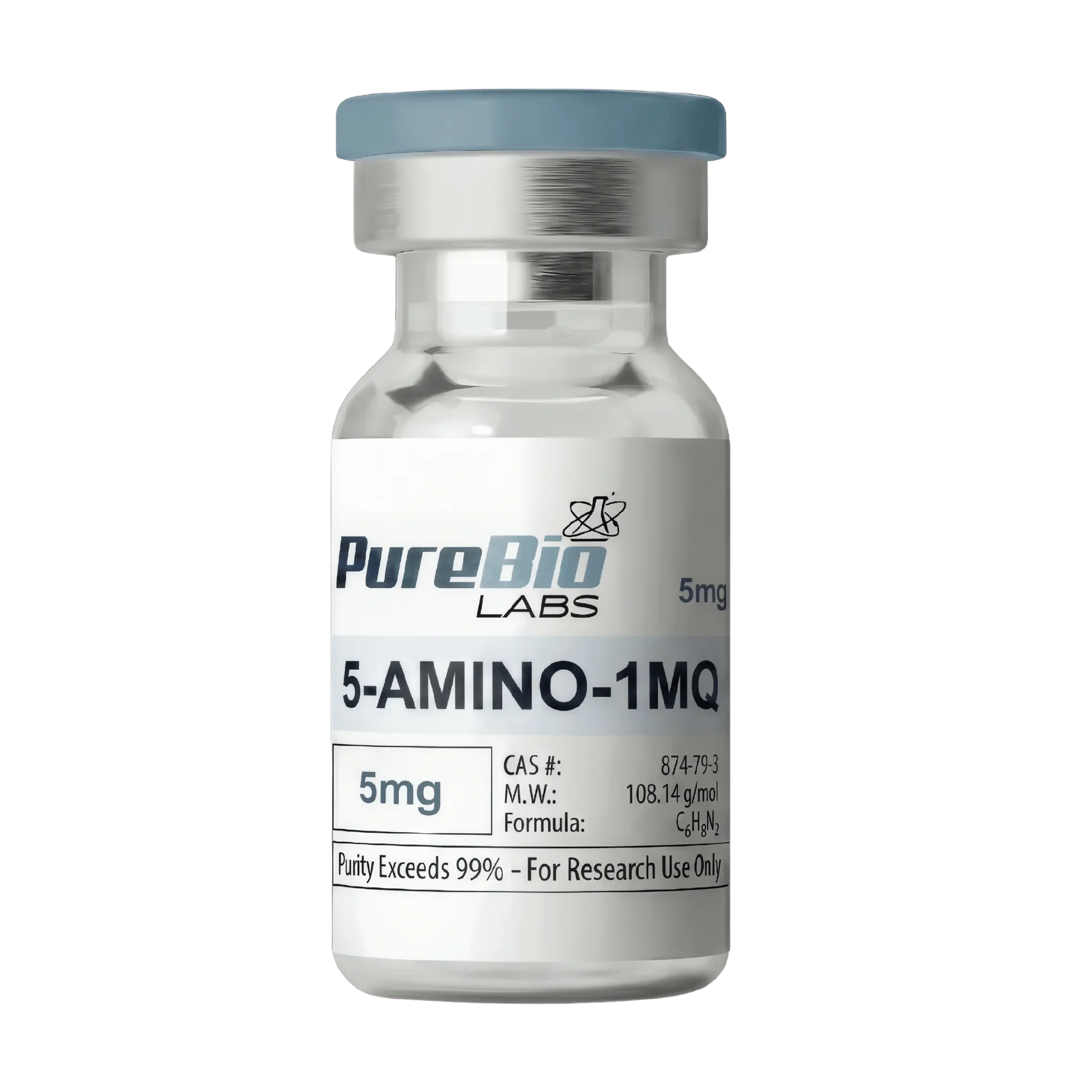
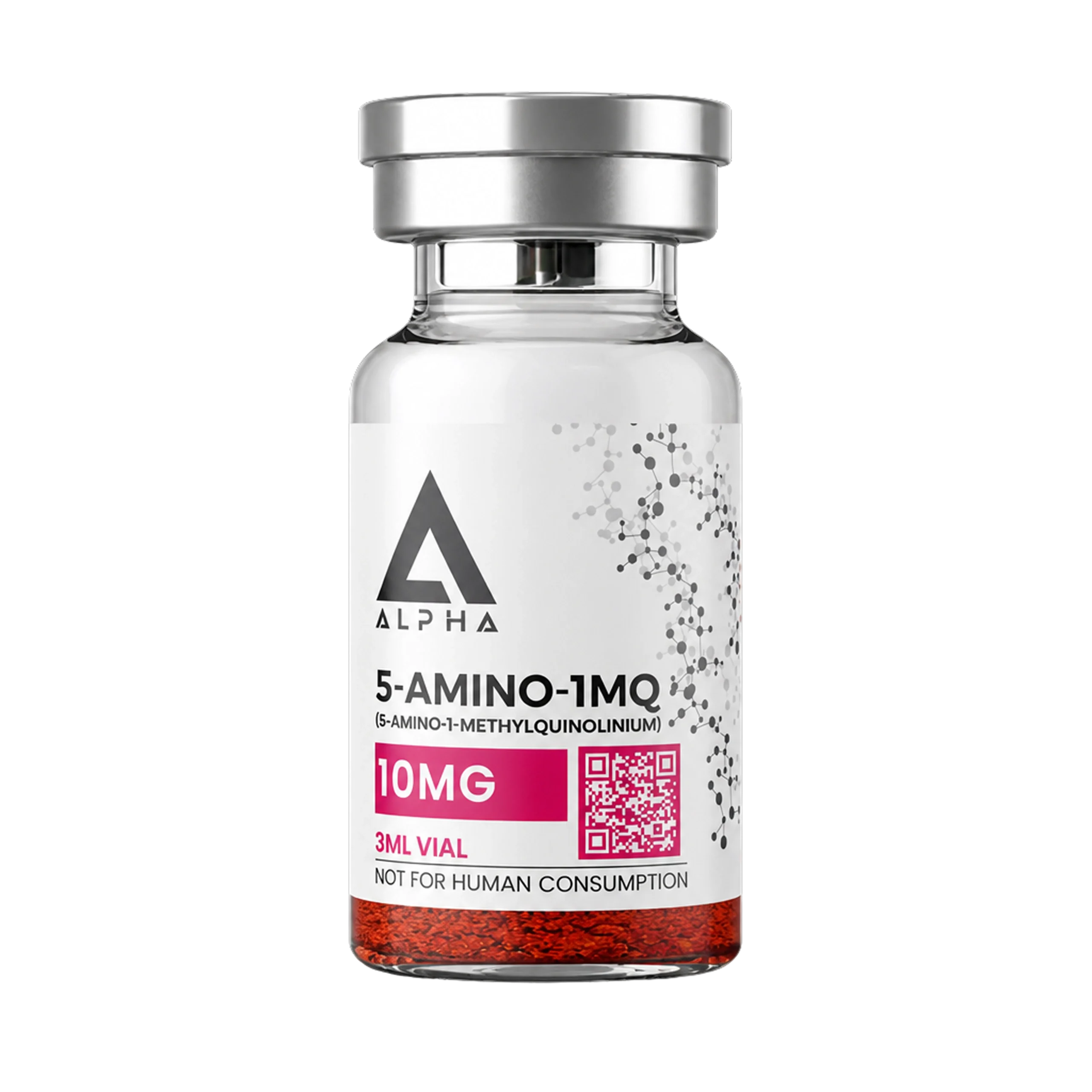
Chemical Name: 5-amino-1-methylquinoline Compound Type: Small molecule NNMT inhibitor Purity: 98% (verified by HPLC/MS) Form: Lyophilized powder or research capsules (commonly 1050 mg per unit) Category: Research-use-only compound Key Features NNMT Inhibition: Blocks nicotinamide N-methyltransferase, an enzyme linked to altered energy balance and metabolic dysfunction
Vitamin B12 deficiency and cognitive impairment: A comprehensive review